

Center for Collective Use of Scientific Equipment
Contents
Center for Collective Use of Scientific Equipment «Molecular Oncology and Biotechnology»
The Center for Collective Use of Scientific Equipment «Molecular Oncology and Biotechnology» (CCUSE) was established in 2004 (order 09-ZAH of March 5, 2005) to house costly scientific instruments and equipment purchased centrally with budget funds of the NAS of Ukraine for collective use by institutions of the NAS of Ukraine.
Management of the Center «Molecular Oncology and Biotechnology»
Head of the CCUSE
- Head of the Department of Tumor Process Monitoring and Therapy Design, D.Sci. (Med.), Professor, Academician of the NAS of Ukraine Vasyl F. Chekhun (phone: +380 (44) 259 01 83).
On the operation of the CCUSE
- Responsible for the operation of the CCUSE – Senior Researcher of the Department of Ecology and Sorption Toxicology, PhD (Biol.), Senior Researcher Oleksii A. Glavin (phone: +38 (044) 259-05-93; +38 (095) 423-48-54)
Regulations on the Center
Extract from the «Regulations on the Center for Collective Use of Scientific Instruments/Equipment «Molecular Oncology and Biotechnology» of the NAS of Ukraine of the R.E. Kavetsky Institute of Experimental Pathology, Oncology and Radiobiology».
1. Establishment of the Center
1.1. The Center for Collective Use of Scientific Instruments/Equipment in a scientific (scientific and technical) field of the NAS of Ukraine (hereinafter, CCUSE) is established at the Institute for the most rational use of unique and costly scientific instruments/equipment of domestic or foreign manufacture which it is impossible or impractical for each scientific institution to purchase from centralized funds, joint funds of groups of institutions and organizations, or other sources of funding of the NAS of Ukraine.
1.2. The Institute undertakes to ensure high-quality and reliable operation of the purchased scientific equipment and instruments, their necessary professional maintenance, conditions for the best use of working time in the interests of the scientific community of the NAS of Ukraine, and the absence of artificial restrictions in providing services to other scientific institutions and organizations of the NAS of Ukraine.
2. Structure, Main Tasks and Organization of the Work of the Center
2.1. The Center for Collective Use of Scientific Instruments and Equipment in a scientific (scientific and technical) field is the property of the National Academy of Sciences of Ukraine.
2.2. The CCUSE is part of the Institute as a scientific unit directly subordinate to the directorate of the institution, without the status of a legal entity.
2.3. The main task of the CCUSE is to provide scientists of the NAS of Ukraine with the opportunity to conduct research on state-of-the-art scientific instruments\equipment maintained by qualified personnel capable of keeping the equipment in high-quality working order and providing consulting services.
2.4. The Director of the Institute appoints, by order, the head of the Center and the staff responsible for the Center. General management of the work of the CCUSE is entrusted to the Director of the Institute.
2.5. At least once a year, the Institute reports on the work of the CCUSE to the Bureau of the Department of Biochemistry, Physiology and Molecular Biology (BPMB) of the NAS of Ukraine and, if necessary, to the Commission. In the general annual report, data on the work of the CCUSE are submitted by the Institute as a separate section in paper and electronic form to the Presidium of the NAS of Ukraine, the Bureau of the BPMB Department of the NAS of Ukraine and the Commission.
3. Procedure for Providing Services
3.1. Information about the CCUSE of the NAS of Ukraine (type\brand of scientific instruments\equipment provided for collective use, their main technical characteristics and the main areas of research that can be carried out on such equipment) shall be posted on the Institute’s web page. The same information about all CCUSEs of the NAS of Ukraine and their host institutions within the NAS of Ukraine shall be posted on the web page of the Presidium of the NAS of Ukraine.
3.2. Scientific institutions and organizations of the NAS of Ukraine that need to conduct research on the scientific equipment of the CCUSE of the NAS of Ukraine (hereinafter, the Customer) submit, twice a year, by January 15 and by June 15, their written requests to the Bureau of the BPMB Department for the number of hours, timing and types of research requiring the use of the scientific instruments and equipment of the CCUSE.
3.3. The Bureau of the BPMB Department, upon the submission of the head of the institution at which the CCUSE has been established, approves the overall distribution among customers of the working time allocated for collective use of the scientific equipment of the CCUSE.
3.4. The Director of the Institute, by an order agreed with the Bureau of the BPMB Department, determines the work schedule of the Center and of individual scientific instruments\equipment, and sets the required number of work shifts per working day, taking into account the working hours of the scientific institution and the needs of scientists of the NAS of Ukraine for the use of scientific instruments\equipment.
3.5. When planning the operating time of the CCUSE of the NAS of Ukraine, the following distribution shall apply: for one-shift operation (8 working hours), 3 hours are provided for the needs of the Institute, 3 hours are provided free of charge to customers – other scientific institutions and organizations of the NAS of Ukraine, and 2 hours may be provided for paid use of the Center’s equipment in accordance with current legislation. For two-shift operation (12 working hours), the distribution is set in the proportion 5:4:3. The use of the operating time of scientific instruments\equipment is recorded in logbooks.
3.6. When planning the use of the operating time of a scientific instrument, the Director of the Institute may apply other ratios of working time for own needs and paid services; however, the time of free collective use of the Center’s scientific instruments remains unchanged, i.e., 3 hours for an 8-hour working day and 4 hours for a 12-hour working day.
3.7. Paid services for the use of the scientific equipment of the CCUSE of the NAS of Ukraine for the needs of other customers are provided in accordance with the current legislation of Ukraine.
3.8. The Institute bears all costs associated with the use of the scientific equipment provided by the CCUSE of the NAS of Ukraine for its own needs. Consumables and reagents for the specified equipment of the CCUSE «Molecular Oncology and Biotechnology» of the R.E. Kavetsky Institute of Experimental Pathology, Oncology and Radiobiology of the NAS of Ukraine are purchased by other scientific institutions and organizations of the NAS of Ukraine at their own expense.
Equipment of the CCUSE
Equipment purchased with budget funds of the NAS of Ukraine
Equipment purchased centrally with budget funds of the NAS of Ukraine for shared use by institutions of the NASU.
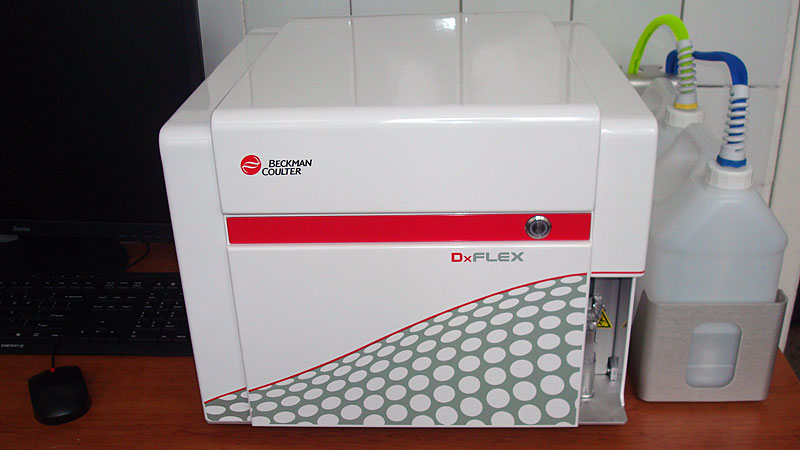
Beckman Coulter «DxFLEX» flow cytometer, model B5-R0-V0 (Beckman Coulter Biotechnology (Suzhou) Co. Ltd.)
Year of purchase: 2020
The flow cytometry method is based on recording the optical parameters of single cells or particles in a fluid stream from their light scattering and fluorescence signals. Forward scatter (light scattered at a small angle, FSC) is used to determine the relative size of cells or particles; side scatter (light scattered at a right angle, SSC) is used to assess the heterogeneity of the internal contents of cells (e.g., nucleus size and cytoplasmic granularity); fluorescence is used to detect cellular markers using various fluorochromes.
The instrument is certified by the Ministry of Health of Ukraine for medical testing. In the basic model, a blue laser (488 nm) is activated, which allows measuring forward (FSC) and side scatter (SSC). Fluorescence detectors (525/40, 585/42, 610/20, 690/50 and 780/60 nm) allow detection of the fluorochromes FITC, PE, ECD, PC5, PC7 and fluorescent probes with similar characteristics.
The resolution of the instrument is better than particles smaller than 300 nm (SSC). Sensitivity to FITC is equal to or better than 30 molecules of equivalent soluble fluorochrome (MESF-FITC), and to PE equal to or better than 10 molecules of equivalent soluble fluorochrome (MESF-PE).
The instrument is controlled and the results are analyzed using the «Kaluza C» software. The «Kaluza C» functionality enables real-time processing of multicolor files of up to 20 million events, provides tools for standardization of results and simplifies obtaining them in accordance with quality control and clinical reporting requirements.
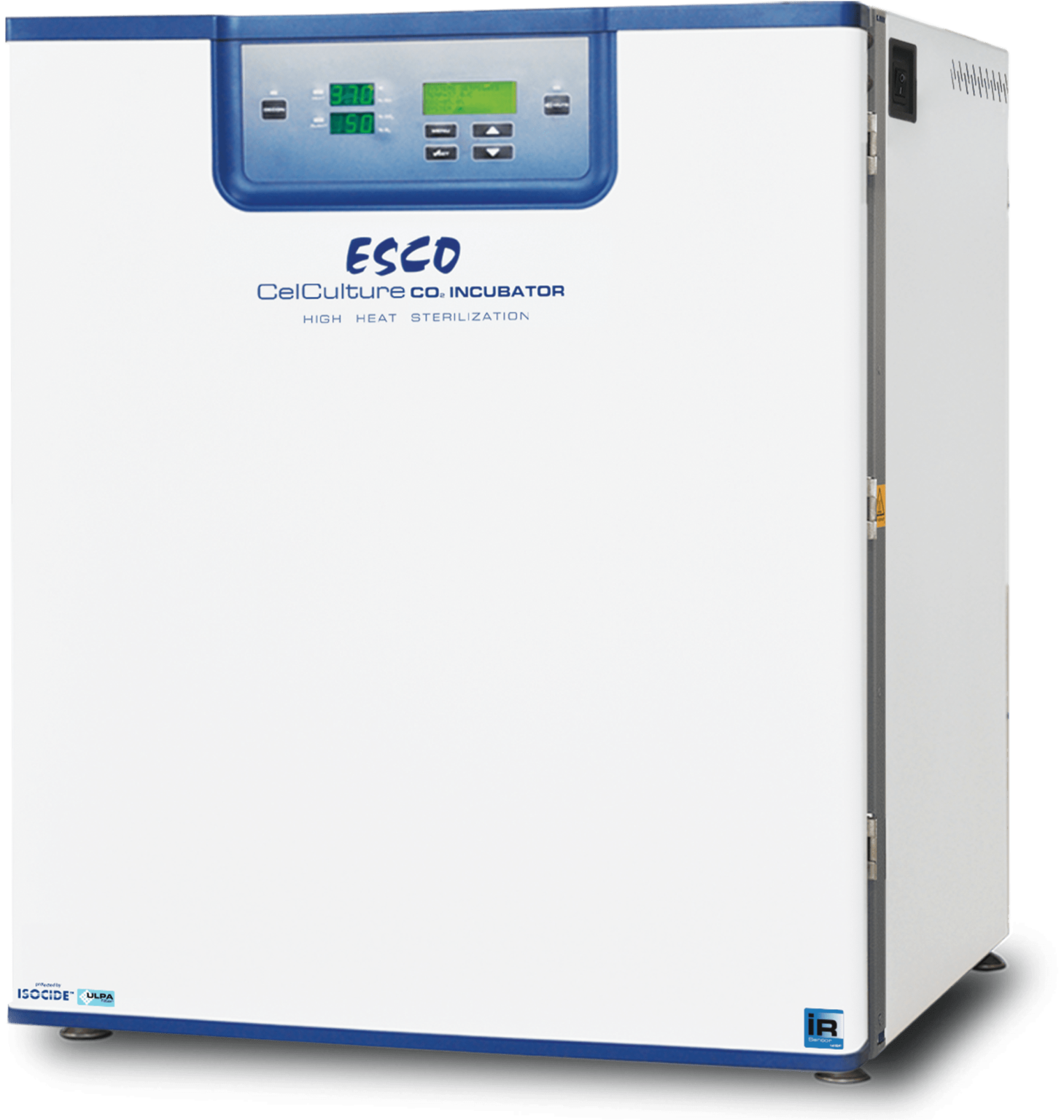
CelCulture® CCL-170B-8-HHS CO2 incubator, 170 L, with high-temperature sterilization (Esco Lifesciences Group, Esco Micro Pte. Ltd., Singapore)
Year of purchase: 2024
The CO2 incubator is intended for culturing normal and tumor cell lines in various scientific developments and biotechnological work, such as studying the growth characteristics of different cell types, testing the effect of bioactive substances on cells of various origin, drug development, and producing cell mass for subsequent isolation of useful compounds and complexes of cell damage substances. At the Institute, the instrument is primarily used for the effective operation of the «Bank of Cell Lines from Human and Animal Tissues», as well as in oncology research: elucidating the features of the vital activity and metabolism of tumor cells, developing and testing antitumor drugs, studying the mechanisms by which cells acquire chemo- and radioresistance, and producing cell components with cytostatic properties.
Main technical characteristics of the CelCulture® CCL-170B-8- HHS CO 2 incubator:
- Forced air convection in the chamber, promoting uniformity and humidification of the chamber atmosphere.
- Automatic sterilization at 180°C for up to 12 h.
- SteriSafe ™ ULPA filtration maintains the chamber air at ISO Class 5 conditions during normal operation.
- Outer housing with ISOCIDE ™ antimicrobial powder coating.
- 0.2 µm gas inlet filters remove impurities from the incoming gas before they enter the chamber.
- SmartSense microcontroller with audible and visual alarms, an alarm system indicating the need to replace the CO2 tank and the ULPA filter.
- Built-in flash memory for data logging.
- Usable chamber volume of the CO2 incubator – 170 L.
- Temperature range: from ambient +7 to +60°C.
- Temperature uniformity at 37°C – spatial ±0.5°C; temporal ±0.2°C.
- Temperature recovery time after opening the door for 30 s at 37°C – 7 min.
- Chamber humidity – 85–90%.
- Maintained CO2 concentration range – from 0 to 19.5 vol.%.
- CO2 concentration recovery time to 5 vol.% – 5 min.
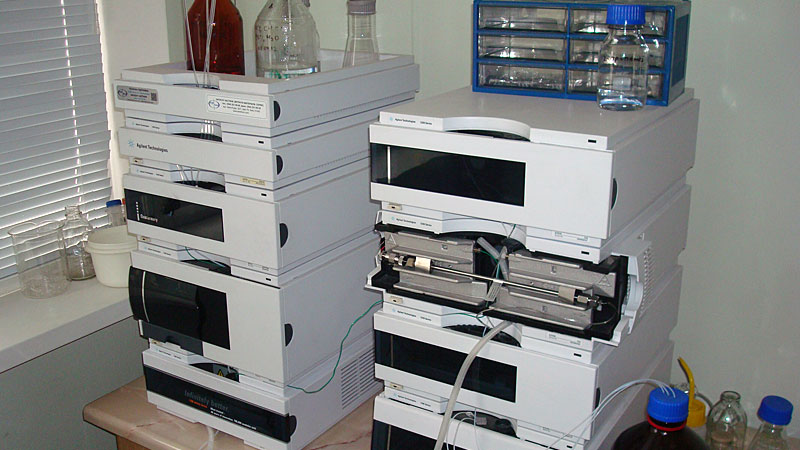
Agilent 1200 liquid chromatograph with diode array and fluorescence detectors (Agilent Technologies; USA, Germany)
Year of purchase: 2007. Supplemented with an autosampler thermostat in 2014; in 2019, scheduled preventive maintenance and repair work was carried out at the expense of the NAS of Ukraine.
The instrument is intended for analytical and preparative chromatography procedures and consists of the following modules:
- A quaternary gradient pump that allows implementing any gradient methods using up to 4 solvents, has a wide range of flow rates (up to 10 mL/min) and allows working with standard and semi-preparative small-diameter columns
- A vacuum degasser with a solvent compartment
- An autosampler for 100 samples with the ability to add an internal standard and dilute the sample, and an Agilent 1290 Infinity sample thermostat that allows setting the temperature in the range from 4 to 40°C in 1°C increments
- A column thermostat that holds up to 3 columns up to 30 cm long and provides a temperature in the range from 10°C above ambient to +80°C with a temperature stability of ±15°C and a setting accuracy of ±0.8°C
- The diode array detector allows obtaining information on the absorption spectrum of the analytes immediately, which facilitates their identification. Wavelength range 190-950 nm; light sources: deuterium and tungsten lamps. The detector has a 1024-element photodiode array. Wavelength accuracy ± 1 nm, slit width 1, 2, 4, 8 or 16 nm. Noise level not more than ±0.8 x 10⁻⁵ absorbance units (at 254 nm and 750 nm, bandwidth 4 nm). Spectrum acquisition rate over the entire range not more than 12.5 milliseconds
- The fluorescence detector (Ex 200-700 nm, Em 280-900 nm, 0.6 s/spectrum, step 1-20 nm) makes it possible to detect compounds with natural fluorescence and to use specific fluorescent probes in research. The excitation source is a pulsed xenon lamp. Wavelength reproducibility – ±0.2 nm. Wavelength accuracy within ±3 nm. Sensitivity for anthracene not less than 10 fg/µL (Ex 250 nm, Em 400 nm). The detector monochromators operate in signal or spectral mode and allow detection of up to 4 excitation or emission wavelengths
- A fraction collector for the preparative mode with the ability to set the start of fraction collection by time intervals, by chromatographic peak parameters (threshold, leading and trailing slope of the chromatographic peak), or by a schedule (a combination of time intervals and peak parameters). Maximum flow rate 10 mL/min
- The chromatograph is controlled and the results obtained are analyzed from a personal computer using dedicated software
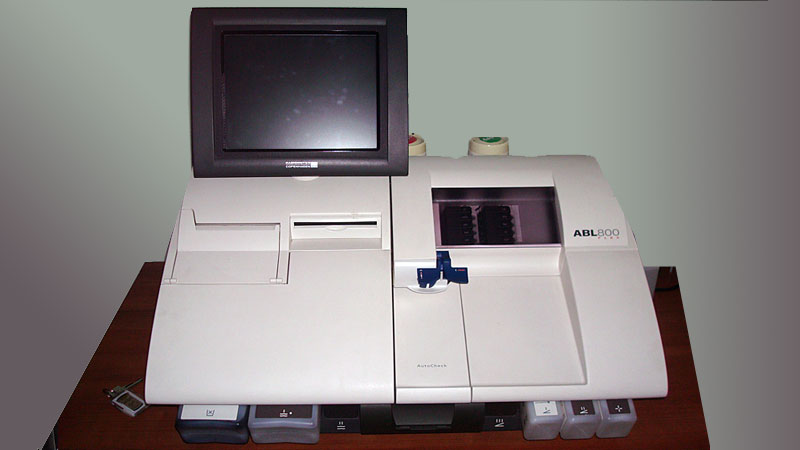
ABL 800 FLEX blood gas analyzer (Radiometer, Denmark)
Year of purchase: 2005. Put into operation in 2006; in 2018, scheduled repair work was carried out at the expense of the NAS of Ukraine.
The ABL800 FLEX blood gas analyzer is capable of determining up to 18 parameters using a single blood sample. Currently, the instrument is fitted with modules that allow measuring the acid-base status of blood (pH, measuring range 6.85-7.55), the partial pressure of carbon dioxide (pCO2, measuring range 2.27-21.3 kPa) and oxygen (pO2, measuring range 2.67-77.3 kPa), the content of hemoglobin (ctHb, measuring range 25-230 mmol/L) and lactate (cLac, measuring range 0.5-15 mmol/L).
The instrument makes it possible to work with whole blood samples and, thanks to the FLEXMODE function, is capable of analyzing capillary blood samples, which allows determining most parameters using blood samples of 50 to 200 µL.
The instrument’s unique FLEXQ module makes it possible to automatically analyze up to three blood samples one after another. Thanks to the «Drop ‘n’ Go» function with which the ABL800 FLEX is equipped, the operator does not need to wait for the test results at the analyzer.
Equipment purchased by IEPOR
Equipment purchased by the Institute for the CCUSE for shared use by the staff.
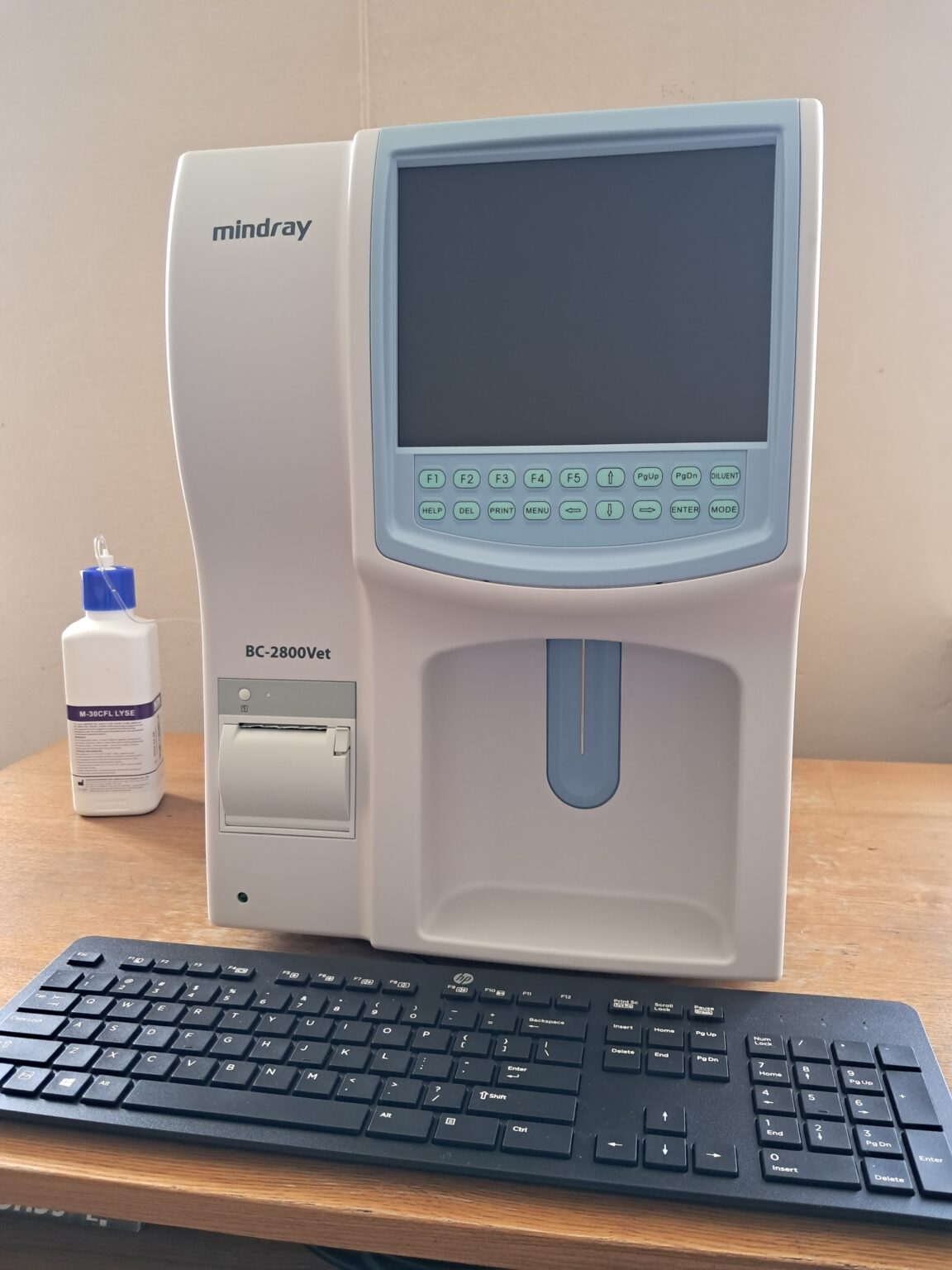
BC-2800VET automatic hematology analyzer (Mindray, China)
Year of purchase: 2025.
The BC-2800 Vet hematology analyzer is a modern quantitative counter of animal blood cells. It is designed to determine 18 parameters with differentiation of leukocytes into 3 subpopulations and to construct distribution histograms.
Technical characteristics of the analyzer.
- The analyzer is programmed to analyze blood samples of 13 animal species (dog, cat, horse, mouse, rat, rabbit, pig, cow, bull, camel, sheep, monkey, goat), with the additional option of adding humans or 3 more animal species.
- The sample volume is: for whole blood – 13 µL, for capillary blood – 20 µL.
- Measurements and calculations performed: erythrocytes (RBC); mean corpuscular volume (MCV); RBC histogram; mean corpuscular volume (MCV); red cell distribution width (RDW); leukocytes (WBC); WBC histogram; lymphocytes (Lymph); granulocytes (Gran); monocytes (Mid); platelets (PLT); mean platelet volume (MPV); platelet distribution width (PDW); plateletcrit (PCT); hematocrit (HCT); hemoglobin (HGB); mean corpuscular hemoglobin (MCH); mean corpuscular hemoglobin concentration (MCHC).
- Throughput: 25 analyses per hour.
- The analyzer’s built-in memory can store up to 10,000 analysis results.
- Calibration: automatic (by standard); manual (by factor).
- The instrument is equipped with a 7.5'' color LCD display, a built-in keyboard with 18 optional keys and a built-in thermal printer.
- An external keyboard, a computer (RS- 232 port), a printer and a barcode scanner can be connected to the instrument.
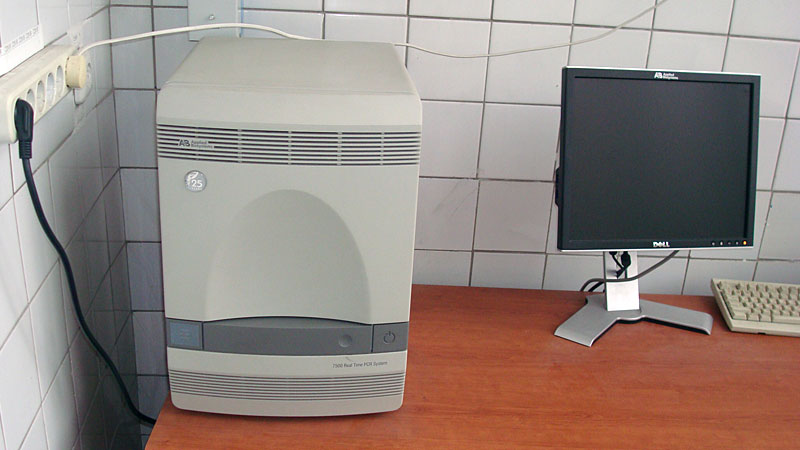
Applied Biosystems 7500 Real-Time PCR System (Thermo Fisher Scientific; USA).
Year of purchase: 2007.
The Applied Biosystems 7500 Real-Time PCR is a system adapted to a wide range of tasks and has a 5-color detection system that enables multiplex studies. The instrument makes it possible to perform +/- assays with an internal positive control and allelic discrimination; gene expression analysis; mutation screening (single nucleotide polymorphisms, SNPs); independent analysis of DNA melting curves and acquisition of the full amplification curve in SNP genotyping; calibration for new dyes without an additional filter set. The Applied Biosystems 7500 has easy-to-use software with the ability to export the data obtained.
Technical characteristics of the instrument:
- real-time PCR run time — less than 2 hours
- block format — 96-well plate or 0.2 mL tubes
- sample reaction volume — 25-100 µL
- detection device — static scanning head with a tungsten-halogen lamp, five excitation filters, five emission filters and a cooled CCD camera
- filters optimized for detecting dyes such as FAM™/SYBR® Green I, VIC®/JOE™, NED™/ TAMRA™/ Cy3™, ROX™/Texas Red® and Cy5™
- heating / cooling by a Peltier element
- heating / cooling rate — +/- 1.6°C/s
- temperature range — 4-99ºC
- set temperature accuracy — +/-0.25°C (35°C-95°C)
- temperature maintenance accuracy — ± 0.25°C (in the range from 35 to 95°C)
- block temperature uniformity — ±0.5°C (after 20 s at 95°C)
- dynamic range — 9 orders of magnitude
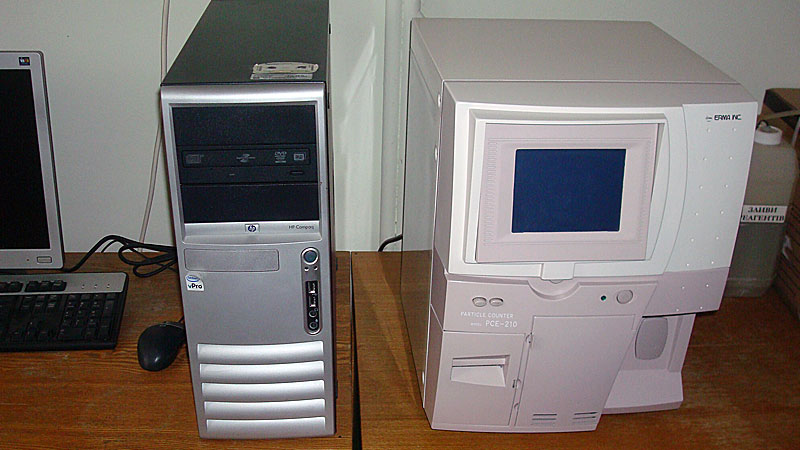
PCE-210 automatic hematology analyzer (ERMA Inc., Japan)
Year of purchase: 2005.
The instrument is designed to determine 18 blood parameters, including 3 leukocyte subclasses (differential leukocyte count) and 3 histograms. It provides simple and fast measurement of blood parameters in a minimal sample volume and has a self-test function and an automatic adjustment system at power-on. The analyzer is registered by the Ministry of Health of Ukraine and approved for use in medical practice in Ukraine.
Technical characteristics of the analyzer:
- The analyzer is an open system that allows the use of reagents from different manufacturers
Measured parameters
- erythrocytes (RBC), leukocytes (WBC), platelets (Pit), hemoglobin (Hgb), hematocrit (Hct) differentiation of leukocytes into lymphocytes (absolute value (LY) and value in % (LY %), monocytes (absolute value (MO) and value in % (MO%)) and granulocytes (absolute value (GR) and value in % (GR%))
- erythrocyte indices: mean corpuscular volume (MCV), mean hemoglobin content per erythrocyte (MCH), mean corpuscular hemoglobin concentration (MCHC), red cell distribution width by volume (RDV)
- platelet indices: mean platelet volume (MPV), mean plateletcrit concentration (PCT), platelet distribution width by volume (PDV); distribution histograms of leukocytes, erythrocytes, platelets
The counting zones of leukocyte populations can be adjusted depending on the shape of the leukocyte histogram: depending on the shape of the histograms, the analyzer software allows adjusting and refining the distribution of leukocytes into the LY, MO, GR populations even in the case of evident pathology in the test samples.
The analyzer software allows setting the range of normal values of the RBC, Hct, Pit, WBC, HgB parameters, which provides both the possibility of entering the upper and lower limits of the measured parameters and the display on the monitor and printer of an indication “+” if a measured parameter exceeds the upper limit of the normal range, and “-” if a measured parameter falls below the lower limit of the normal range.
20 µL of whole venous blood or 10 µL of whole capillary blood is sufficient for analysis; testing of microsamples is supported. The instrument has a self-cleaning system for the sampling needle.
To perform a test, it is sufficient to bring the sample to the sampler and press the “Start” key. The measurement result for 18 parameters with 3 histograms is displayed on the screen and printed automatically after 60 seconds. The throughput of the instrument is 60 samples per hour, with no need for additional dilutions.
The instrument’s memory can store up to 200 most recent test results, retaining the number indication, comments or names, and at least 10 histograms.
The instrument can be calibrated in both manual and automatic modes.
The instrument has a reagent quality control system, a cleanliness control system and automatic or manual cleaning of the main channels of the device.
The instrument has a built-in thermal printer that provides printing of results in automatic or manual mode, and a touch screen for controlling the analyzer and entering the necessary information on the analyzed samples.
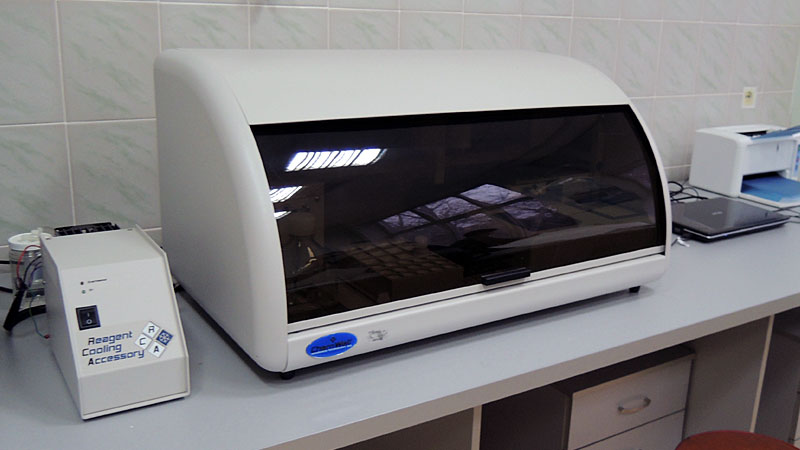
GBG ChemWell 2900 automatic analyzer with an RCA module for reagent temperature stabilization (Awareness Technology, Inc.; USA)
Year of purchase: 2012.
The instrument makes it possible to perform a wide range of enzyme immunoassay, biochemical and immunoturbidimetric tests. It allows determining tumor markers and hormones, diagnosing viral and bacterial infections, autoimmune and allergic diseases, determining enzyme activity and lipid composition, performing immunoturbidimetry of serum proteins, and enables simultaneous enzyme immunoassay and biochemical testing. The instrument software is an open system and enables export/import of both results and assay protocols. This allows the use of various reagent kits from different manufacturers, which are needed for the effective operation of the instrument in a wide range of scientific research.
Technical characteristics of the instrument
- The throughput of the instrument is over 220 tests per hour
- The volume of the reaction mixture per test does not exceed 100-200 µL
- Dispensing range from 1 to 1960 µL, dispensing resolution 0.1 µL, dispensing error not more than 1%
- Predilution of samples at a ratio of 1:1960
- Sample loading typically 96 (including calibrators and controls)
- Reagent loading typically 27 or 44
- Temperature control of the reaction plate and dispensing system at 25°C, 37°C, or ambient temperature. Reagent heating during dispensing
- Four-channel photometric system with mono- or bichromatic reading mode. Linear range from -0.2 to 3.0 A (absorbance units)
- Spectral measurement range 320-900 nm, filters 340, 405, 450, 505, 545, 600, 630, 700 nm
- Automatic plate washing system with an eight-channel washing system and an automatic filling system
- Enzyme immunoassay mode: simultaneous use of one or two different washing solutions. Washing of 96-well plates and individual strips. Effective washing of plates with any bottom configuration
- Biochemical and turbidimetric mode: washing of reaction cuvettes in two stages — primary washing using the washing solution from the first container (Wash container) and secondary washing using deionized water from the second container (Rinse container).
- Each washing stage can be programmed to use from 1 to 5 reaction cuvette washing cycles. There is an automated washing mode that allows over 4000 tests to be performed without stopping the instrument
- Automatic (or manual) mode for checking the optical cleanliness of microwells before use
- Control of the instrument from an external GBG ChemWell workstation
The software provides automatic self-monitoring of the instrument; creation and storage of test protocols; calculation, interpretation, storage and statistical processing of test results; storage of an unlimited number of calibration curves. There is a quality control system for tests; the possibility of running enzyme immunoassay and biochemical tests simultaneously; export (import) of both results and test protocols.
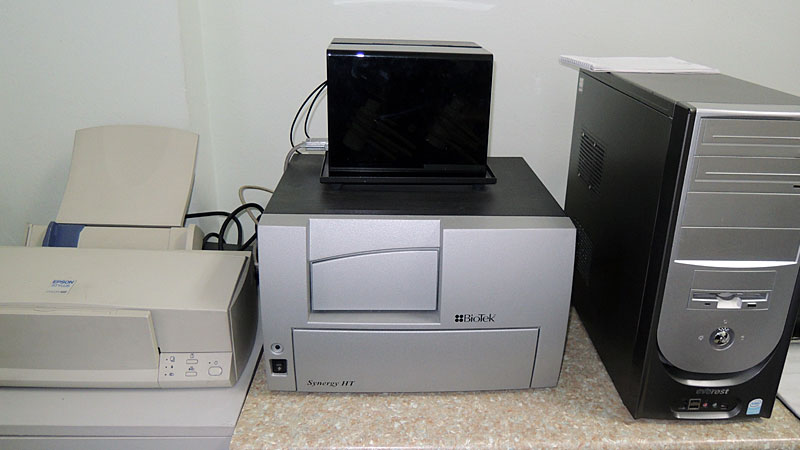
Synergy HT multi-mode reader, model SIAFRTD (Bio-Tek Instruments, Winooski, VT, USA)
Year of purchase: 2006.
The reader allows measuring fluorescence, luminescence and absorbance in 6-, 24-, 96- and 384-well plates. The instrument has a dual optical system. Both single and kinetic measurements at specified time intervals can be performed.
Absorbance is measured using a scanning monochromator, a xenon lamp and a silicon diode detector. The use of a xenon lamp makes it possible to measure absorbance both in the UV range and in the visible light range. The monochromator allows measurements at individual wavelengths in the range from 200 to 999 nm in 1 nm increments (up to 6 individual wavelengths per experiment). There is also a function for recording absorbance spectra of samples with the option to select the wavelength interval and measurement step (from 1 nm).
Fluorescence is measured using a tungsten halogen lamp, a set of blocking interference filters (the instrument is equipped with the following set of filters: 340/30; 360/40; 460/40; 485/20; 508/20; 528/20; 540/25; 590/35; 620/40; 645/40; 680/30 nm) and a photomultiplier tube (PMT). The instrument is also equipped with a “Time Resolved” unit, which makes it possible to measure time-resolved fluorescence.
Luminescence is measured both from the bottom and from the top of the wells using a low-noise PMT operating in photon counting mode. A plug (Plug) is installed in the «excitation» unit of the instrument instead of one of the interference filters, and an opening (Hole) is left in the «emission» unit.
To add reagents to the wells, the instrument is equipped with an optional external injector module. This device controls two independent injector syringes, each connected to a separate tip. The stage at which injection is performed, its volume and its rate can be set.
The instrument has systems for shaking samples (the stage, intensity and duration of shaking can be set) and for their temperature control (4-zone temperature measurement, which guarantees the required temperature uniformity in kinetic assays).
The Gen5™ software developed by BioTek controls the operation of the reader and allows programming the stages of the assays, specifying the contents of the plate wells for calculating the measurement results, and exporting the measurement results to MS Excel.
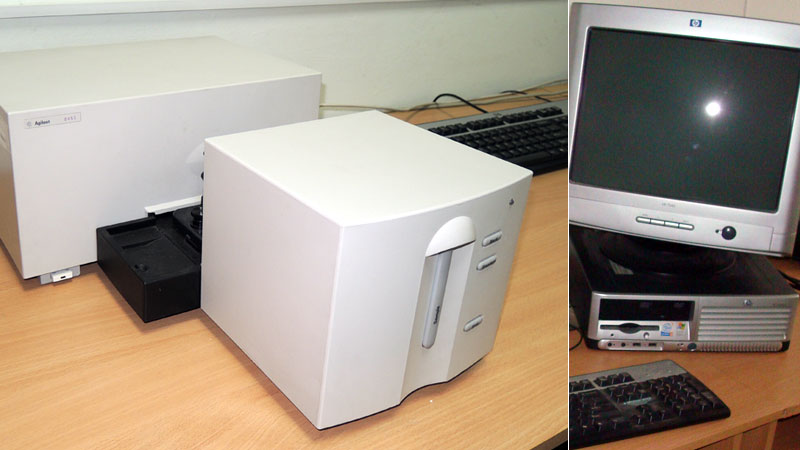
Agilent 8453 diode array spectrophotometer (Agilent Technologies; USA)
Year of purchase: 2005.
Technical characteristics of the instrument:
- Wavelength range 190-1100 nm; spectral slit width — 1 nm; spectral interval of the diode array — 0.9 nm. The use of a diode array provides fast scanning of the entire spectrum in 0.1 to 1.5 s
- Instrument resolution of 1.63 — verified according to the requirements of the European Pharmacopoeia with toluene in hexane (by the ratio of absorbance at wavelengths of 269 and 266 nm)
- Wavelength setting error less than 0.5 nm (verified with a 0.5 s scan according to the NIST 2034 method)
- Wavelength setting reproducibility error less than 0.4 nm (with 10 scans; verified according to the NIST 2034 method)
- Photometric accuracy of 0.005 absorbance units at wavelengths of 440.0; 465.0; 546.1; 590.0 and 635.0 nm; on a scale of 1 absorbance unit (verified according to the NIST 2034 method); 0.01 absorbance units at wavelengths of 235; 257; 313 and 350 nm (verified with potassium dichromate according to the method prescribed by the European Pharmacopoeia)
- Low photometric background level < 0.0002 absorbance units (verified over 60 scans of 0.5 s duration on a scale of 0 absorbance units; at a wavelength of 500 nm; by root mean square value)
- Baseline drift < 0.001 absorbance units with an empty cuvette; recording in 0.5 s with a 0.5 s scan (by root mean square value)
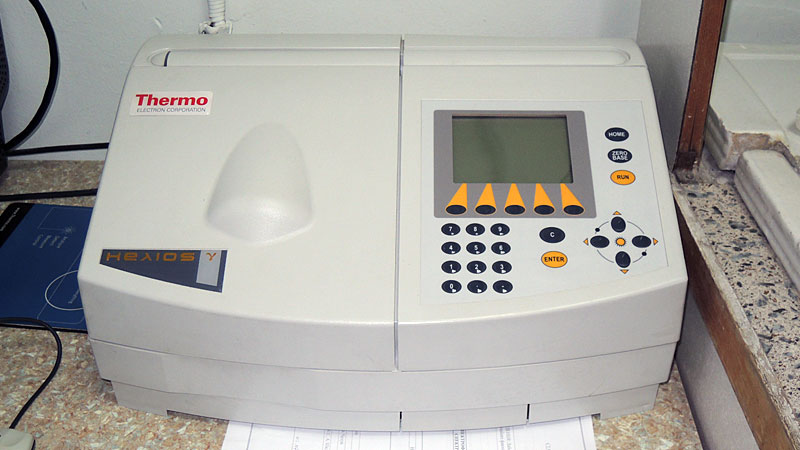
Helios Gamma single-beam scanning spectrophotometer (Thermo Electron; United Kingdom)
Year of purchase: 2005.
The spectrophotometer is designed to measure the spectral transmittance coefficients and optical density of substances and materials using a monochromator. Software is installed that allows qualitative and quantitative analysis. The instrument is connected to a computer. The instrument has a 7-position cuvette holder, which makes it possible to work simultaneously with a control (blank) and six test samples. The instrument can be controlled both using the built-in control unit with a display and from a computer. The software allows qualitative and quantitative analysis of the measurement results.
Technical characteristics of the instrument:
- Spectral wavelength range — 190-1100 nm
- Scanning speed — 600 nm/min
- Optical slit width — 2 nm
- Optical density measuring range — 0 to 2.5 A
- Wavelength setting accuracy — 1 nm
- Wavelength reproducibility — 0.2 nm
- Photometric accuracy — 0.005 A at 1 A
- Photometric reproducibility — 0.002 A at 1 A
AXIO SCOPE.A1 microscope (Carl Zeiss Microscopy GmbH, Germany)
Year of purchase: 2018.
Fields of application of the microscope: hematology, cytology, histology, microbiology, helminthology, immunology, bacteriology, genetics, etc. Research techniques: bright field, dark field, phase contrast, polarization contrast, fluorescence, differential interference contrast (Nomarski contrast), differential interference contrast for plastic labware (PlasDIC).
Technical characteristics of the instrument:
- transmitted light source — LED
- light source for fluorescence — xenon lamp
- illumination — Köhler-adjustable
- stage control — manual
- 6-position objective nosepiece
- objectives 1.25x, 2.5x, 5x, 10x, 20x, 40x, 50x, 63x, 100x
- eyepieces 10x / 23 mm
- camera — AxioCam ICc 5 (5 megapixels, exposure time 1×10⁻⁴-2 s, transfer rate up to 15 frames per s)
- optical interface: C-mount
- digital interface: USB 3.0
- image acquisition and processing software — ZEN (ZEISS Efficient Navigation)
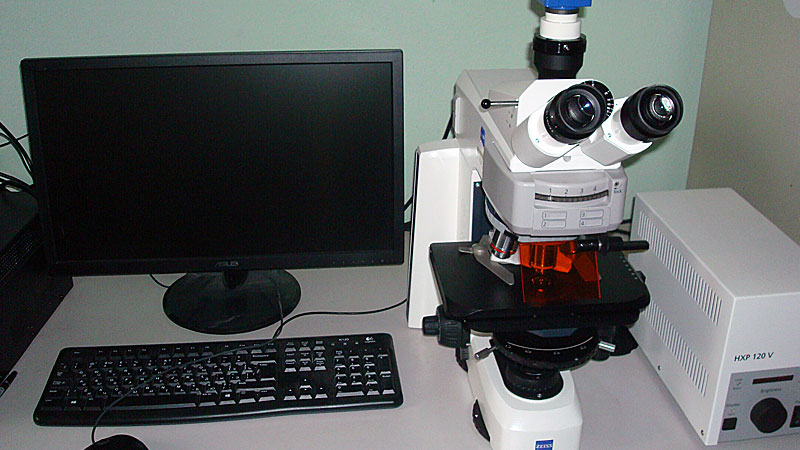
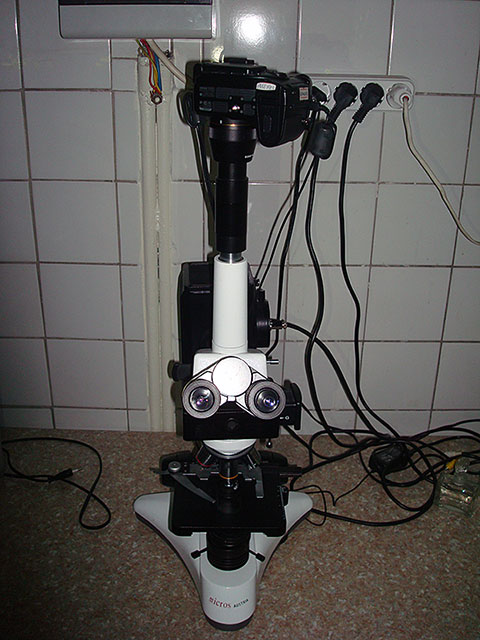
MC 300 FX fluorescence (luminescence) microscope (Infinitive; Austria)
Year of purchase: 2005.
Technical characteristics of the instrument:
- magnification range up to 1600x
- Infinitive achromat objectives: 4x, 10x, 40x, 100x
- coaxial coarse and fine focusing knobs
- nosepiece for 5 objectives
- filter system for fluorescence
- adjustable 6 V / 30 W illumination
- 100 W fluorescence illumination system
- fluorescence unit: excitation light spectrum 350-550 nm, fluorescence spectrum 420-650 nm
- filter system in the main unit: 2 excitation filters, a dichroic mirror, 2 barrier filters
- filter blocks: B (blue), G (green), O (transmitted light), excitation filters (EX): (B) EX490, (G) EX545
- bidirectional dichroic mirror: DM510, DM580
- barrier filters (BA): BA530, BA590
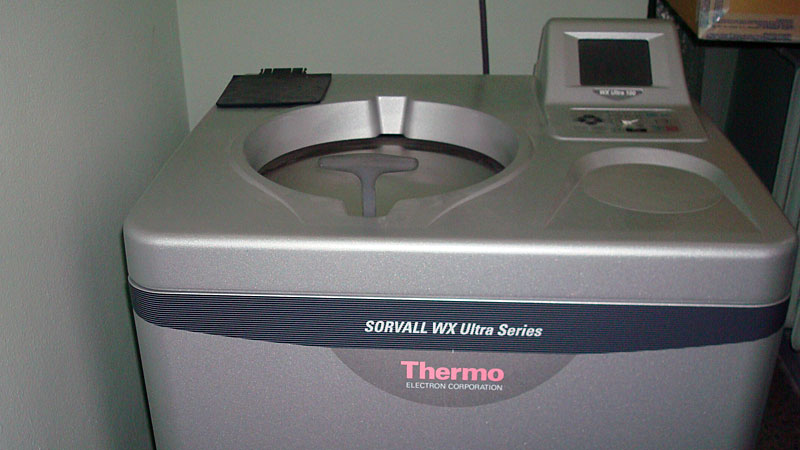
Sorvall WX100 Ultra ultracentrifuge (Thermo Fisher Scientific, USA)
Year of purchase: 2010.
The centrifuge is fully compatible with rotors of other ultracentrifuge manufacturers, including Beckman and Kontron. The automatic speed / acceleration conversion system eliminates the need to convert centrifugation protocols. The integrated centrifugation reproducibility system automatically compensates for deviations during acceleration caused by full or partial rotor loading by adjusting the centrifugation time. Automatic imbalance compensation (±5% of the sample volume) allows samples to be balanced visually. The color touch display provides easy setting of centrifugation parameters even for an inexperienced user. Step-by-step programming of the centrifugation cycle (9 steps) ensures better separation of the required fractions.
Technical characteristics of the instrument:
- maximum speed — 100000 rpm
- maximum acceleration — 802000 g
- maximum volume — 6 x 250 mL (with an appropriate rotor)
- number of acceleration / deceleration profiles — 10/11
- speed range — 1000-100000 rpm in 100 rpm increments
- speed control accuracy — ±10 rpm
- temperature control range — +2 – +40°C
- temperature setting accuracy — ±0.5°C
Available rotors:
| T-8100 fixed-angle rotor | TFT 80.2 fixed-angle rotor | SureSpin 630/17 swinging-bucket rotor | |
|---|---|---|---|
| Maximum capacity (mL) | 8 x 6,5 | 12 x 2,0 | 6 x 17 |
| Tube dimensions (mm) | 13 x 64 | 8 x 51 | 16 x 102 |
| Maximum speed (rpm) | 100000 | 80000 | 30000 |
| Maximum centrifugal acceleration (g) | 802006 | 429643 | 166880 |
| Separation factor | 17,7 | 22,6 | 268,0 |
| Tube angle (deg.) | 26 | 25 | 90 |
Equipment received as humanitarian aid for the NAS of Ukraine
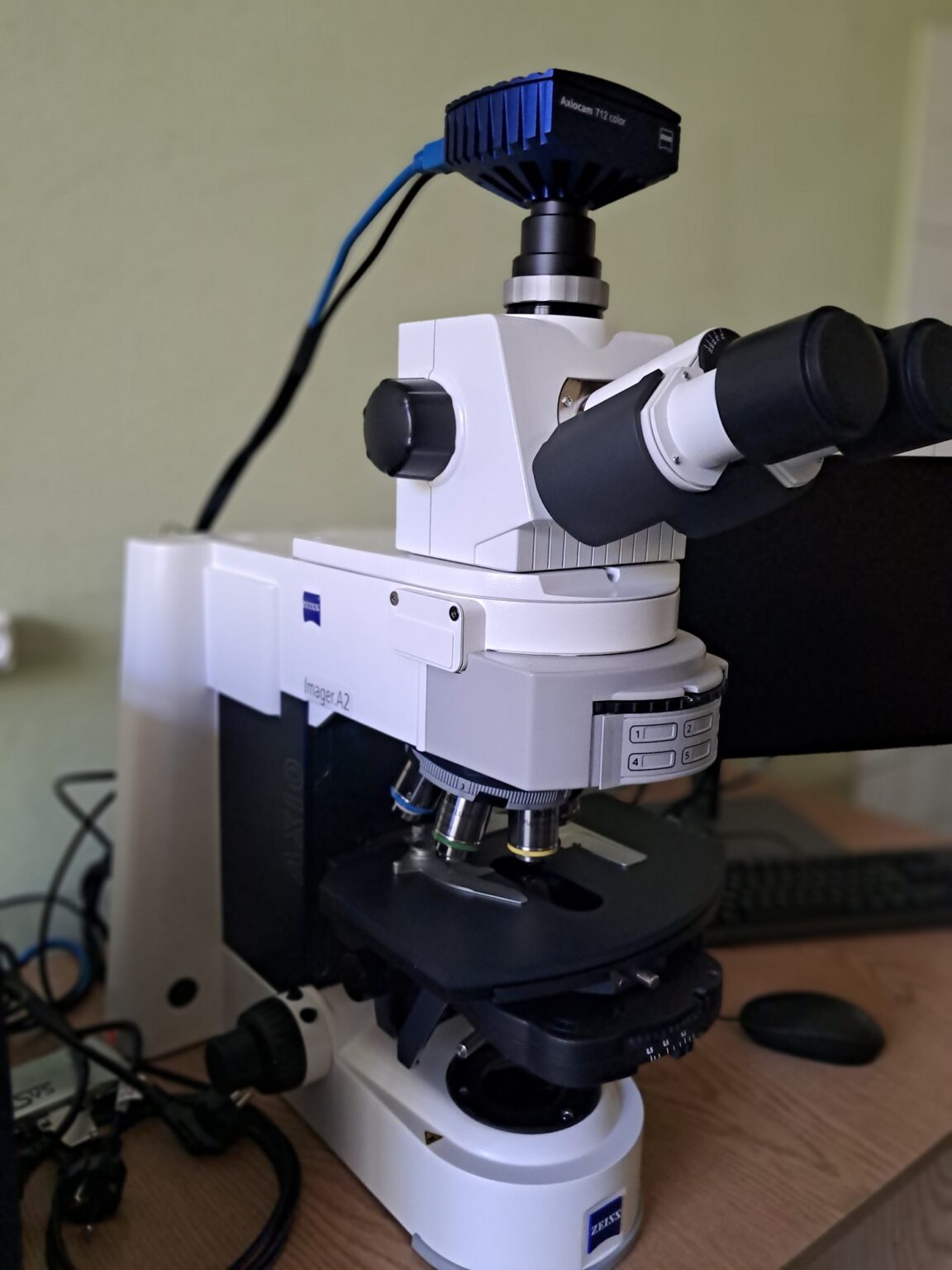
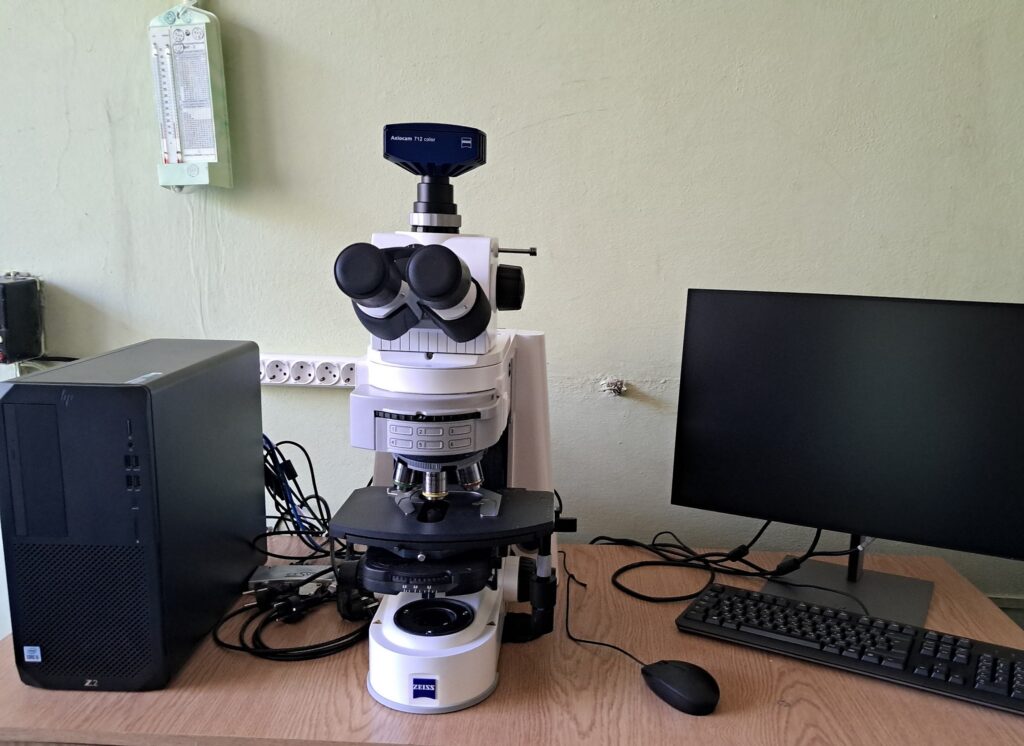
Zeiss Axio Imager 2 optical microscope for biological research (Carl Zeiss AG, Germany)
Year of receipt: 2023.
The microscope is designed for research in the fields of biology and medicine.
Research methods in reflected light – bright and dark field, polarization, differential interference contrast; in transmitted light – bright and dark field, phase contrast, differential interference contrast. Eyepiece – PI 10x/23; objectives – EC Plan-Neofluar 2.5x/0.085, 10x/0.3, 20x/0.50, 40x/0.75, 100x/1.30 Oil. Supplied with an Axiocam 712 color camera and a workstation with AxioVision and ZEN Pro software for image acquisition, processing and analysis. This image acquisition software allows basic processing of micrographs right away. In particular, adjustment of contrast, brightness and color, noise suppression, smoothing and edge enhancement, sharpening/detail enhancement, and correction of illumination effects and white balance are available.
ZEN Pro is modular image processing and analysis software for modern microscopy from Carl Zeiss. In addition to the basic functions aimed at acquiring micrographs using the optical system of the microscope and camera, the software can be used for basic image processing, image analysis, and additional documentation modules available for specific tasks within an individual experiment.
Auxiliary equipment
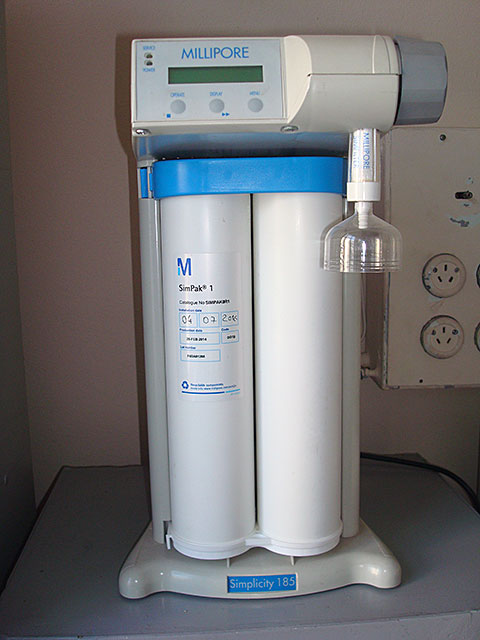
«Simplicity» water purification system (Millipore, Germany)
Year of purchase: 2005.
Water purified by the system can be used in biological laboratories for cell and tissue cultures, in work with monoclonal antibodies, and in DNA research. The feed water must be pre-purified by distillation. The system’s output is not less than 1.5 L/min.
Quality of the water produced:
- Resistivity — not less than 18.2 MΩ/cm
- Total organic carbon content — not more than 3 ppb
- Pyrogen content — not more than 0.001 EU/mL
- Bacteria content — not more than 1 CFU/mL
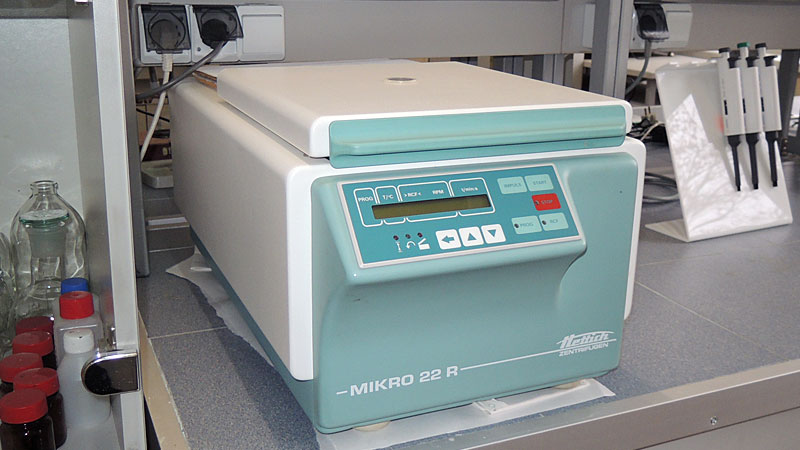
MIKRO 22R refrigerated centrifuge (HETTICH, Germany)
Year of purchase: 2004.
Temperature range -20°C — +40°C, run time from 1 to 99 min, rotation speed from 1000 to 15000 rpm. Rotor for 24 Eppendorf tubes of 1.5 or 2.0 mL
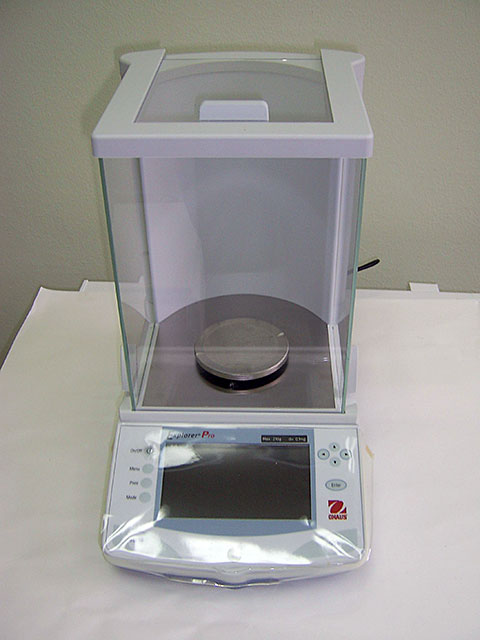
Explorer Pro EP214C IC automatic balance (Ohaus, USA)
Year of purchase: 2005.
- Maximum sample weight 210 g, calibration with internal and external standards
- LCD display 6.4×12 cm
- Printer connection option
- Readability — 0.1/1 mg (100/210 g)
- Repeatability (standard deviation) — 0.1/0.5 mg (100/210 g)
- Linearity — ±0.2/0.5 mg (100/210 g)
- Stabilization time — 4 seconds
- Available weighing units — gram, milligram, ounce, carat and various coin units
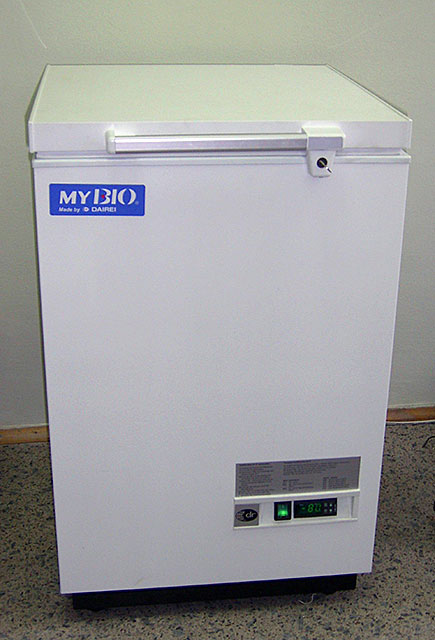
«MYBIO» freezer (DAIREI A/S, Denmark)
Year of purchase: 2005.
Minimum sample freezing temperature from -80°C to -82°C, chamber volume 25 dm3 .